
-
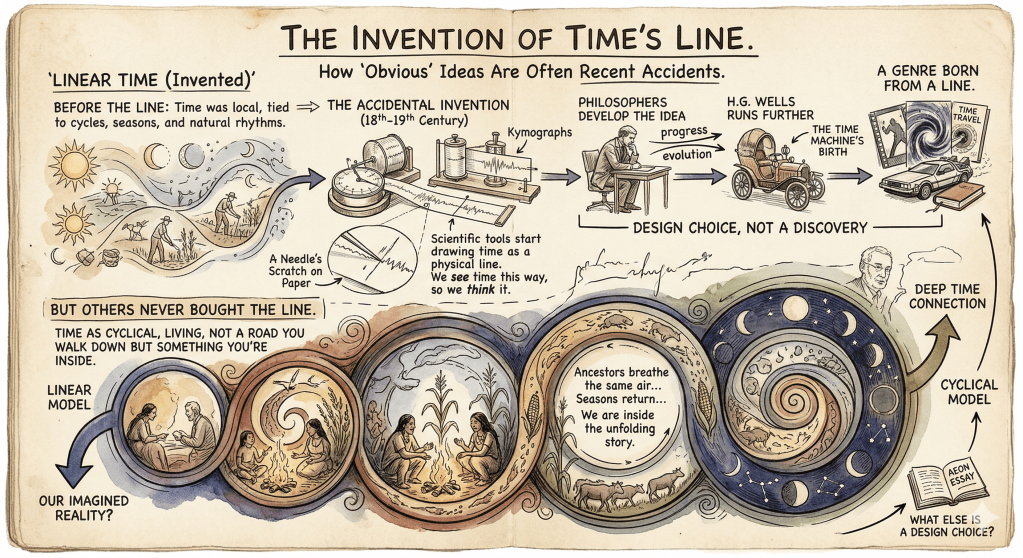
The Line That Changed Everything
The more you learn, the more you realize how many “obvious” things were actually invented recently, and usually by accident. Take the idea that time moves in a straight line. Past on the left, future on the right, you’re somewhere in the middle. So obvious it barely registers as an…
-
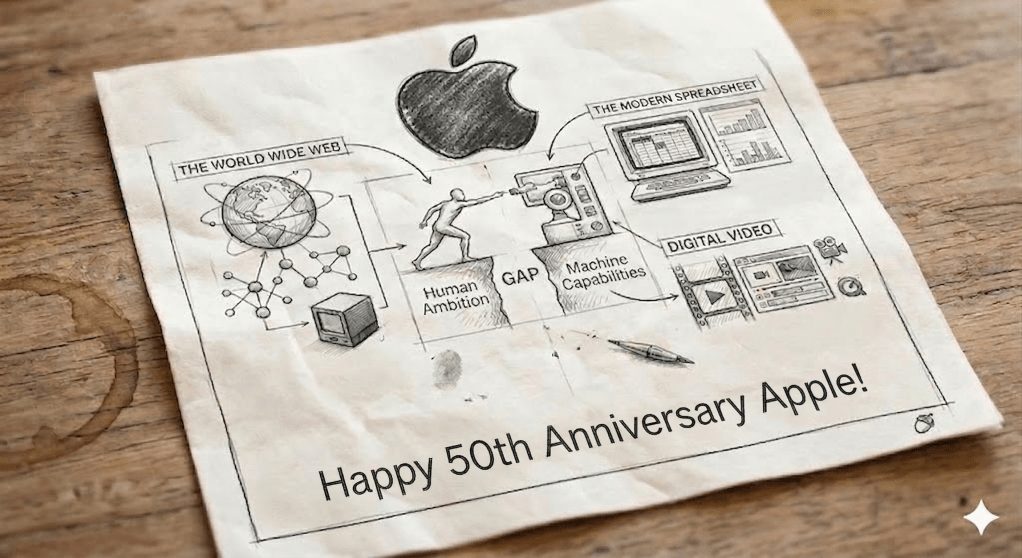
How Apple Redefined Human-Machine Interaction Over 50 Years
The mid-1970s marked a transformative era for children interacting with technology, transitioning from gaming consoles to early computers. Apple played a pivotal role in making technology accessible and relevant, emphasizing human creativity and intent. This ongoing interaction established Apple as a cultural operating system, shaping modern understanding of technology’s role…
-
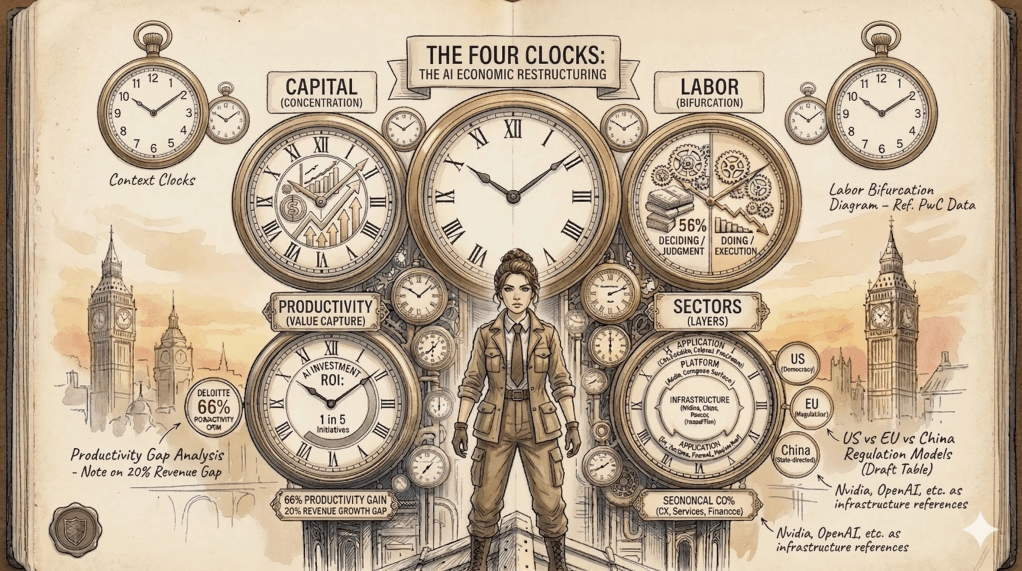
AI’s running in four different races. We’re in all of them
AI commentary is everywhere. Clarity is not. Over two decades in enterprise software, I’ve watched technology waves deliver differently than promised. What I’m seeing now isn’t one story — it’s four simultaneous economic restructurings in capital, labor, productivity, and sectors. Here’s a frame for tracking them together.
-

The uncanny valley of empathy
Here’s an excerpt from my latest Substack post: The aspirational AI customer service deployments today aim to not feel cold or mechanical. They are meant to be warm, patient, apparently attentive. They’ll remember what you said three turns ago. They’ll acknowledge your frustration. They tell you they understand. But is…
-
Random: Why the House Number Font Dominates American Homes
Ever wonder why almost every house in America uses that same specific, slightly “fancy” font for its address? In this fascinating deep dive from Dime Store Adventures, we learn that the “House Number Font” isn’t actually a 1920s Art Deco artifact or a secret tribute to Chinese aesthetics, as the…
-
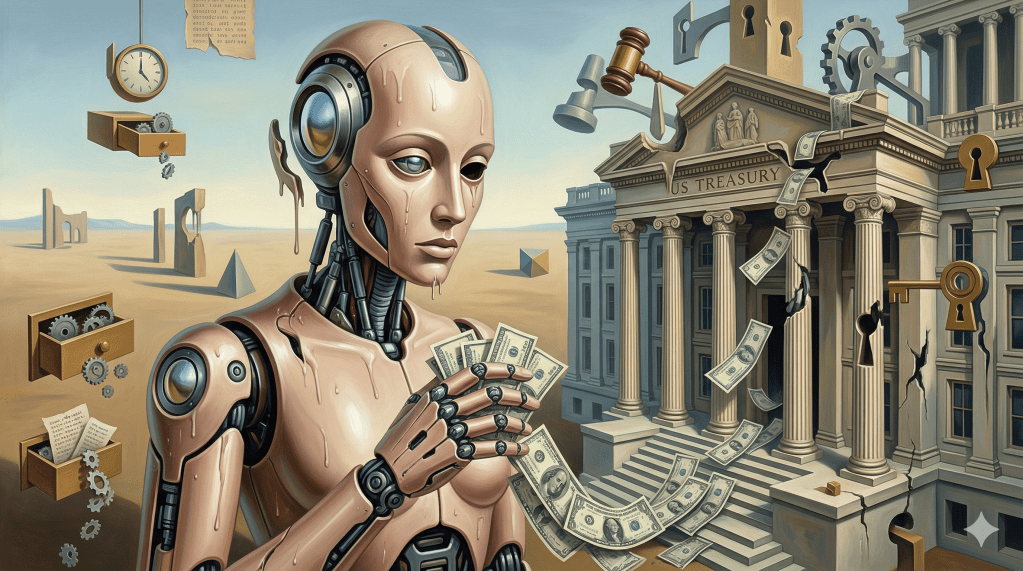
What happens when the taxpayer disappears?
The rise of AI poses a significant challenge to funding federal governments, as it threatens to displace a substantial number of knowledge workers who contribute to tax revenue. With the U.S. relying heavily on individual income and payroll taxes, the potential decline in employment raises concerns about sustaining government income…
-
Open AI’s fundraising approach, and what it reveals
Om Malik has been doing some of the sharpest behind-the-scenes AI business coverage out there. If you’re not following him at om.co, fix that now. His latest piece: OpenAI is offering private equity firms a guaranteed 17.5% return to join joint ventures. Om’s read is that this is the kind…
-
On the underlying infrastructure for the AI boom
Robert Friedland addressed USC’s Marshall School, warning business leaders about the unseen challenges ahead. He highlighted America’s heavy dependence on China for critical minerals and the urgent need for copper to sustain economic growth. Friedland emphasized that current infrastructure assumptions neglect vital energy and resource realities, suggesting a looming crisis.
-

Customer Experience, AI, and the paradox of efficiency
The most dangerous thing about AI in customer experience isn’t that it gets things wrong. It’s that it gets things right — efficiently, cheaply, at scale — while quietly optimizing away the interactions that create real customer relationships. Think of a river straightened into a concrete aqueduct: the metrics improve, but…

This work is licensed under a Creative Commons Attribution-NonCommercial-ShareAlike 4.0 International License.
 nitin badjatia